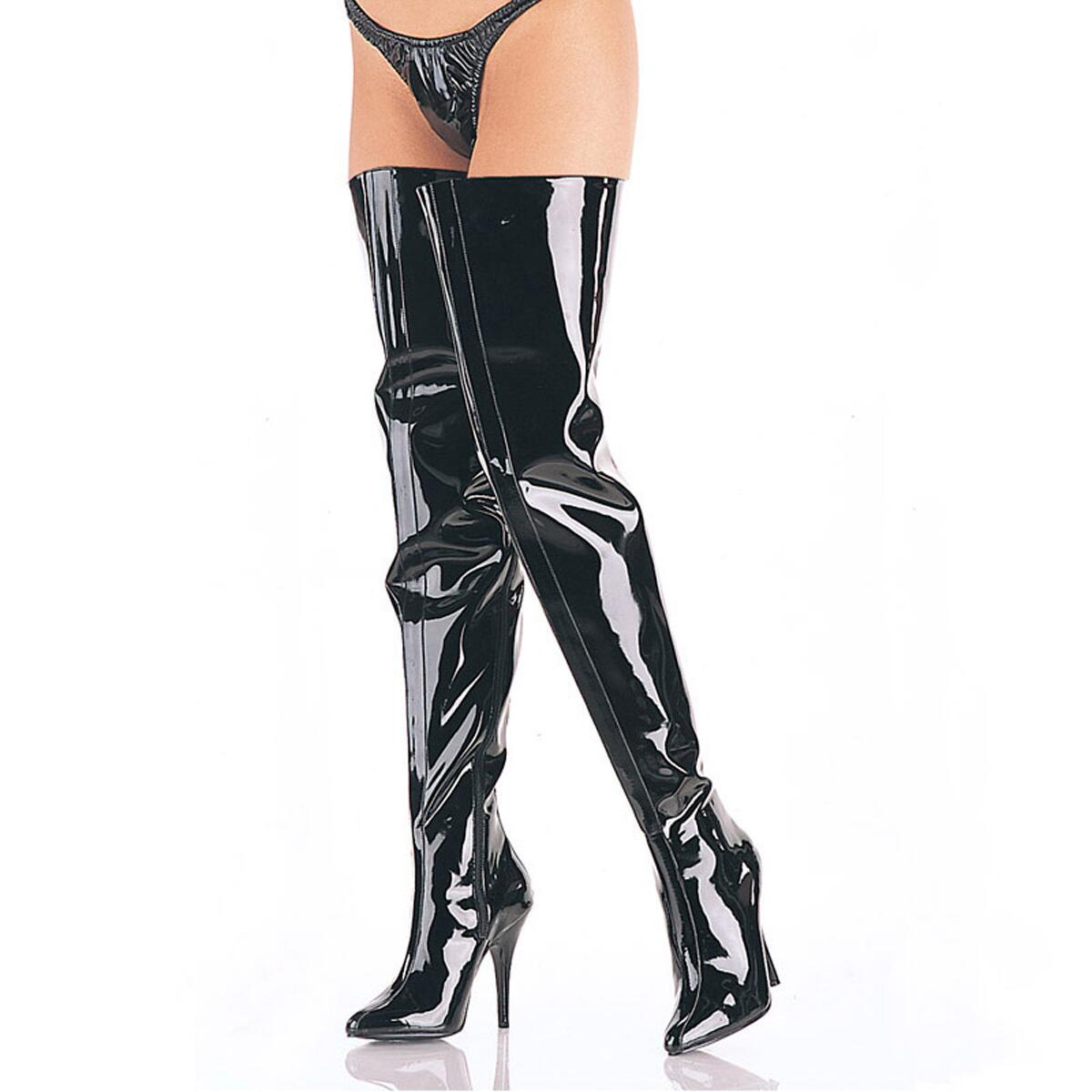

Exploring The History of Stilettos
The stiletto heel, renowned for its slender and elegant silhouette, has a fascinating history that stretches back to the mid-20th century. While high-heeled shoes have existed since the Renaissance, it was in the 1950s that the modern stiletto emerged, largely thanks to advances in metalworking technology that allowed for the creation of a thin, strong steel shaft to support the heel. Designers such as Roger Vivier and Salvatore Ferragamo were instrumental in popularising this daring new look, which quickly became a symbol of sophistication and glamour.
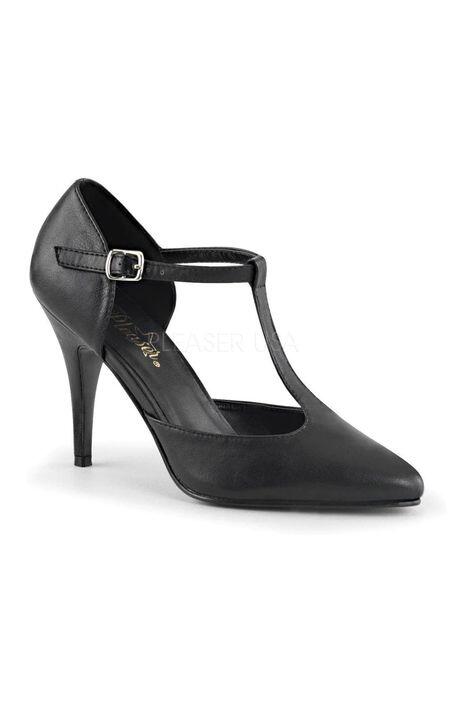 Stilettos have since enjoyed enduring popularity, evolving with changing fashions yet remaining a staple of formal and evening wear. They have been celebrated in popular culture for their association with femininity and allure, while also sparking debate about comfort and empowerment. Today, stilettos continue to captivate the fashion world, representing both timeless elegance and bold self-expression.
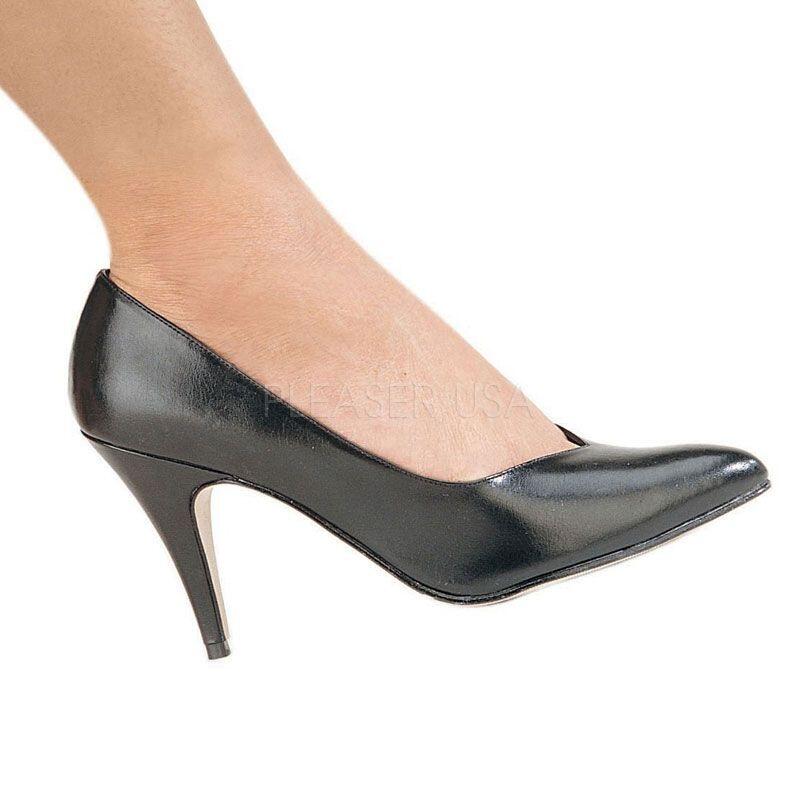
The word ‘stiletto’ originally comes from the Italian term for a small, dagger-like knife, reflecting the heel’s slim and pointed shape. This linguistic connection highlights the striking and sharp aesthetic that characterises the design.
In contemporary times, Stilettos have firmly established themselves as a coveted fashion item, transcending their original role as mere footwear. They are frequently featured on catwalks and in designer collections, with top brands reimagining the stiletto to suit modern tastes. The versatility of stilettos means they are worn not only for formal occasions but also as statement pieces in everyday outfits, symbolising confidence and a flair for style.
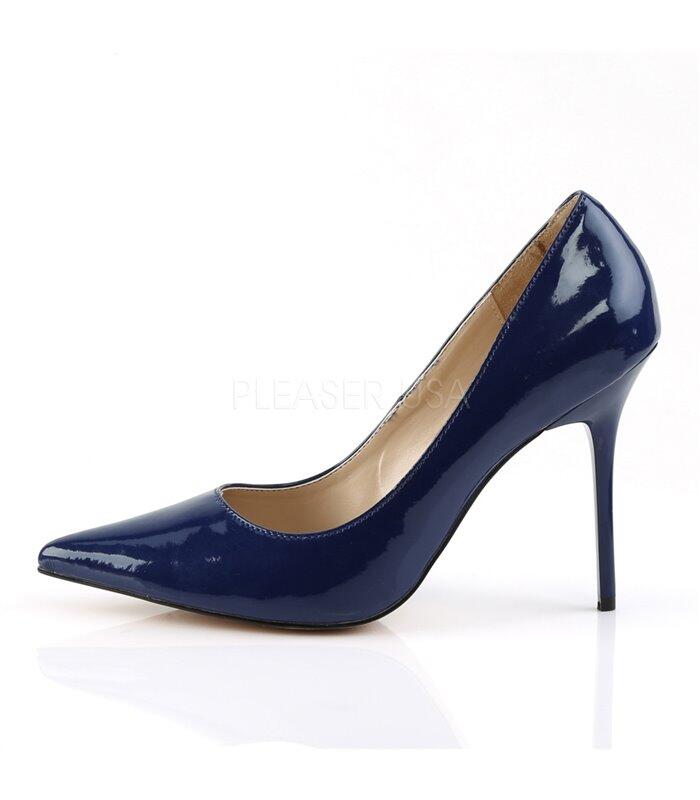
Stilettos are often regarded as an emblem of sexiness, admired for the way they accentuate posture and add a dramatic flair to any ensemble. Though traditionally associated with women's fashion, stilettos are increasingly embraced by men as well, reflecting a broader shift towards gender-fluid style choices and challenging conventional norms in footwear.
While stilettos are most commonly associated with classic high-heeled shoes, their iconic heel design has also been incorporated into a variety of other footwear styles. Today, one can find stiletto heels featured on ankle boots, knee boots, and even dramatic thigh boots, offering wearers a striking silhouette across different types of shoes. This adaptability further underscores the stiletto’s enduring appeal and its ability to keep pace with evolving fashion trends.